


This article highlights the strategic importance of financial translation in global business success. It explains how financial translation differs from other types, outlines common errors that can harm corporate reputation, and provides key criteria for selecting a professional financial translator.
Today, financial translation is considered one of the most impactful tools in the world of corporations and financial institutions, especially with the expansion of global markets and the diversity of languages in international transactions.
It's no longer just about converting words from one language to another — it has become a strategic tool that reflects a company’s identity, professionalism, and ability to gain the trust of investors, banks, and partners worldwide.
Based on our extensive experience with accounting firms and financial consultancies, we’ve repeatedly heard about the consequences of inaccurate translation: investment decisions affected, deals delayed, or even canceled due to confusing or mistranslated financial terms.
That’s why precise financial translation is now a necessity for any company seeking to grow beyond its local market.
In this article, we’ll explore:
-
What is financial translation, and why is it different from any other type of translation?
-
Common translation errors that could damage a company’s reputation
-
How financial translation strengthens investor and institutional trust
-
How to choose the right translation company or professional to ensure accuracy and credibility
-
Practical steps to avoid errors and guarantee professional financial translation
Keep reading to discover how translation can be an asset — not a liability — to your success.
What is Financial Translation and Why Is It Essential in Modern Business?
Financial translation involves converting financial and accounting documents from one language to another, while maintaining precise meaning and using specialized terminology.
It’s not just about numbers and tables — it requires a deep understanding of the financial and legal context, including documents such as balance sheets, tax reports, commercial contracts, financial disclosures, and regulatory correspondence.
In today’s global business environment, financial translation plays a central role in ensuring transparent, effective communication between companies and external stakeholders, such as investors, banks, partners, and regulatory bodies.
Mastery in financial translation requires more than bilingual fluency — it demands deep knowledge of accounting systems, understanding of market culture, and expertise in interpreting precise, sensitive texts.
Types of Documents Requiring Financial Translation
Some of the most common types of financial documents that need translation in companies include:
-
Balance sheets — require extreme accuracy and number matching
-
Income statements and cash flow statements — crucial for investor evaluation
-
Annual and quarterly reports — for shareholder and regulatory transparency
-
Financial contracts — especially those related to loans, financing, or international partnerships
-
Tax returns and official accounting reports — often needed in multilingual and multinational environments
-
Investor pitch decks — must reflect financial strength and performance clearly
-
Banking and regulatory correspondence — including letters of credit, disclosures, or guarantees
Each of these documents reflects a company's transparency and trustworthiness. Any mistake in translation could result in misunderstandings or even legal issues costing time, money, and reputation.
Why Financial Translation Is Different from Other Types of Translation
Financial translation is among the most complex and sensitive translation types. It differs significantly from general, literary, or even technical translation.
This is because financial content demands absolute precision, strict terminology, and zero tolerance for ambiguity in legal or economic context.
In general translation, there's room for flexibility or stylistic variation. In financial translation, a minor error can lead to misinterpretation, misreported numbers, or even regulatory violations.
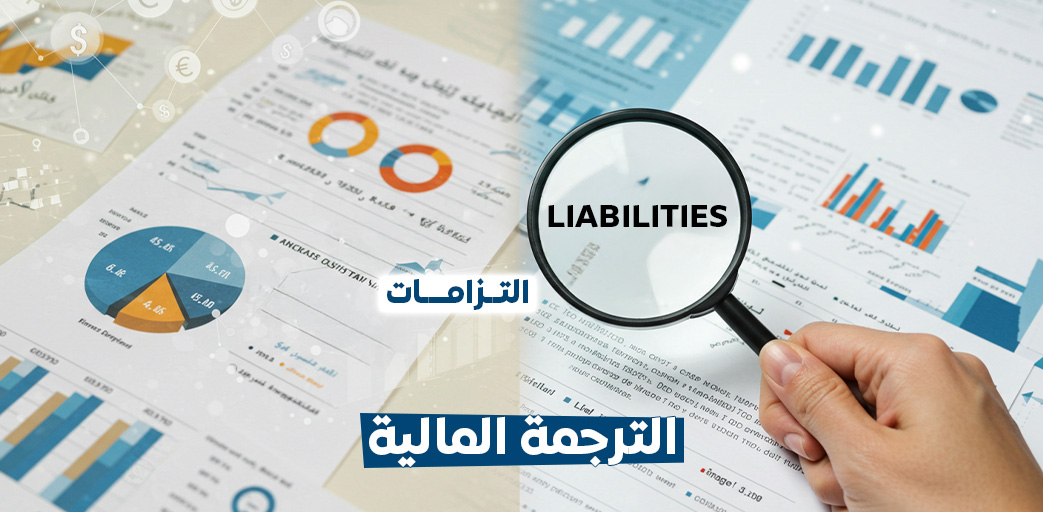
For example, confusing "deferred revenue" with "advance payments," or translating "liabilities" as "debts" instead of "obligations" — could drastically alter the perceived financial health of a company.
Moreover, financial translation must adhere to international accounting standards like IFRS or GAAP, requiring translators to understand these systems deeply — not just linguistically.
Simply put: financial translation doesn’t just need a language expert — it needs someone fluent in the language of finance.
In finance and accounting, the damage from errors isn’t just about size — it’s about impact on decisions. Over the years, we’ve heard many stories from clients about how inaccurate translation caused misunderstandings, delayed deals, or even lost partner trust.
One common example: a financial report submitted to a foreign investor mistranslated "Liabilities" as "debts," giving the impression the company was deeply in debt when it was actually financially stable. It took time and effort to clarify the mistake — a mistake that could have been avoided with accurate translation.
In another case, a poorly translated paragraph in a merger & acquisition report caused the negotiation to pause. A financial expression was interpreted as a loss indicator, when it was actually a normal accounting adjustment that simply needed different wording.
These are not just language issues — they influence interpretation, raise doubts, and can lead to failed deals. Investors, auditors, regulators, and partners rely on these documents for decision-making. A single mistranslation could result in real financial or legal loss.